Choosing the perfect chocolate gift for someone with a gluten intolerance can feel like navigating a minefield. Between hidden ingredients, vague certifications, and price‑pressure, the process can be more stressful than the holiday season itself. This guide will unpack the most common pain points, give you practical solutions, and sprinkle in a touch of humor to keep the mood light.
---
Understanding the Gluten‑Free Chocolate Landscape
Before diving into the pitfalls, it helps to know what the market looks like.
Certification Matters
Gluten‑free labels come in a few flavors—literally. The most reliable ones are:
- Certified Gluten‑Free (by a third‑party lab) Gluten‑Free Certified (by a recognized authority) Made in a Gluten‑Free Facility (no cross‑contamination)
A quick scan of the packaging can save you from a future health Go to the website scare.
Ingredient Transparency
Even if a product is labeled gluten‑free, the ingredient list can still be a labyrinth. Watch for:
- Wheat derivatives (e.g., maltodextrin, wheat starch) Barley or rye hidden in flavorings Cross‑contamination warnings (e.g., “may contain traces of gluten”)
When in doubt, a quick call to the manufacturer can clarify.
---
Common Pain Points Explained
Hidden Gluten Traces
The most frequent complaint? Chocolate that looks safe but carries a silent gluten threat. Cross‑contamination during production or shared equipment can sneak in trace amounts. For someone with celiac Easter hampers disease, even a single milligram can trigger a reaction.
> “The safest chocolate is one that you can trust your stomach to survive,” says Dr. Maya Patel, a gastroenterologist who specializes in food sensitivities.
Flavor vs. Safety Trade‑Off
Gluten‑free chocolate often sacrifices depth of flavor for safety. Without wheat‑based flavor enhancers, some brands produce a flatter taste profile. This creates a dilemma: do you prioritize a richer taste or absolute safety?

Packaging and Presentation
Presentation matters, especially for gifts. Unfortunately, many gluten‑free chocolates come in plain, utilitarian packaging. This can feel like giving a plain white envelope when you’d rather send a glittering invitation.
Price Point vs. Quality
Gluten‑free chocolate is typically priced higher than its gluten‑containing counterpart. The cost of specialized production and certification can push prices up, leaving you wondering if the extra expense is worth it.
---
Practical Tips to Overcome These Pain Points
Read Labels Like a Detective
Treat the ingredient list as a crime scene. Look for:
- Wheat, barley, rye and their derivatives Malt, barley malt, or rye malt flavorings Enzymes that may have been derived from gluten sources
If anything looks suspicious, it’s a red flag.
Ask for Manufacturer Confirmation
Never hesitate to reach out. A quick email or phone call can confirm:
- Production practices (dedicated gluten‑free lines?) Third‑party testing (lab reports available?)
Most reputable brands are happy to share this information.
Choose Trusted Brands
Some companies have built a reputation for gluten‑free excellence. Brands like Lindt, Ghirardelli, and Côte d’Or often provide detailed allergen statements. Researching online reviews can also help.
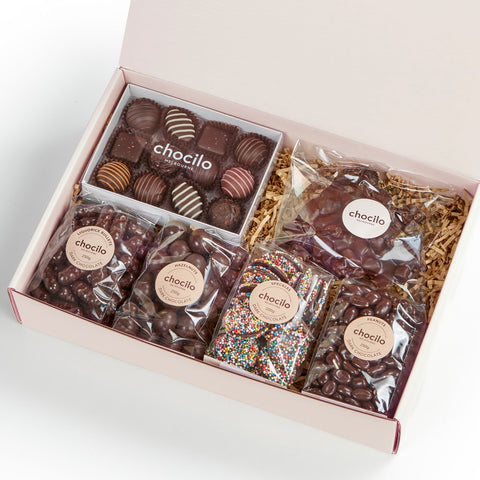
Consider Gift Bundles
Bundling multiple chocolate types can offset the higher price point. Look for:
- Gift boxes with a mix of dark, milk, and white chocolate Seasonal assortments that include gluten‑free versions of popular treats
This approach offers variety while keeping the cost manageable.
---
A Quick Anecdote
Last Christmas, I bought a gluten‑free chocolate box for my sister, who has celiac disease. I chose a brand that advertised “Certified Gluten‑Free.” I unwrapped the first piece, only to feel a sudden, sharp discomfort. Turns out the chocolate had been produced on a shared line with wheat products. I called the company, and they offered a full refund and a replacement batch—this time truly gluten‑free. Moral of the story: always double‑check, even if the label says “gluten‑free.”
---
The Perfect Gift Awaits
Selecting gluten‑free chocolate for gifting doesn’t have to be a daunting task. By understanding the common pain points—hidden gluten, flavor compromises, packaging, and price—and applying practical solutions, you can confidently choose a gift that delights the palate and respects dietary restrictions.
Remember, the goal is to give a gift that feels both thoughtful and safe. With the right research, a little detective work, and a touch of humor, you’ll navigate the chocolate maze and emerge with a gift that’s truly a treat.
If you’re ready to start your search, consider visiting specialty health food stores or reputable online retailers that specialize in gluten‑free products. Your next gift could be the sweetest success story yet.